
Thank you to all who participated!
We were inspired to receive so many insightful and well-researched essays, covering topics as diverse as study pressures, support for neurodivergent students, refugees, student hunger, menstruation equity, female infanticide, and more. It was difficult for the judges to narrow it down to just a few, and they extend their appreciation to all who contributed.
Competition Winners
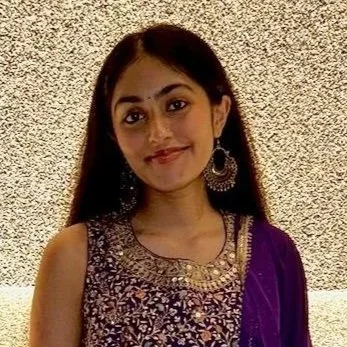
Aditi Soham, Bridging India’s Inclusive Education Divide
High School Winner, Grade 11,, Cumming, GA
“But what happens when a student with the same intellect, curiosity, and learning pace is forced to navigate the hyper-competitive educational environment in India, where there is not always a safety net to support minds that work differently?”
Aditi will be gifting her $1,000 award to Dharithree USA. Read her essay here.
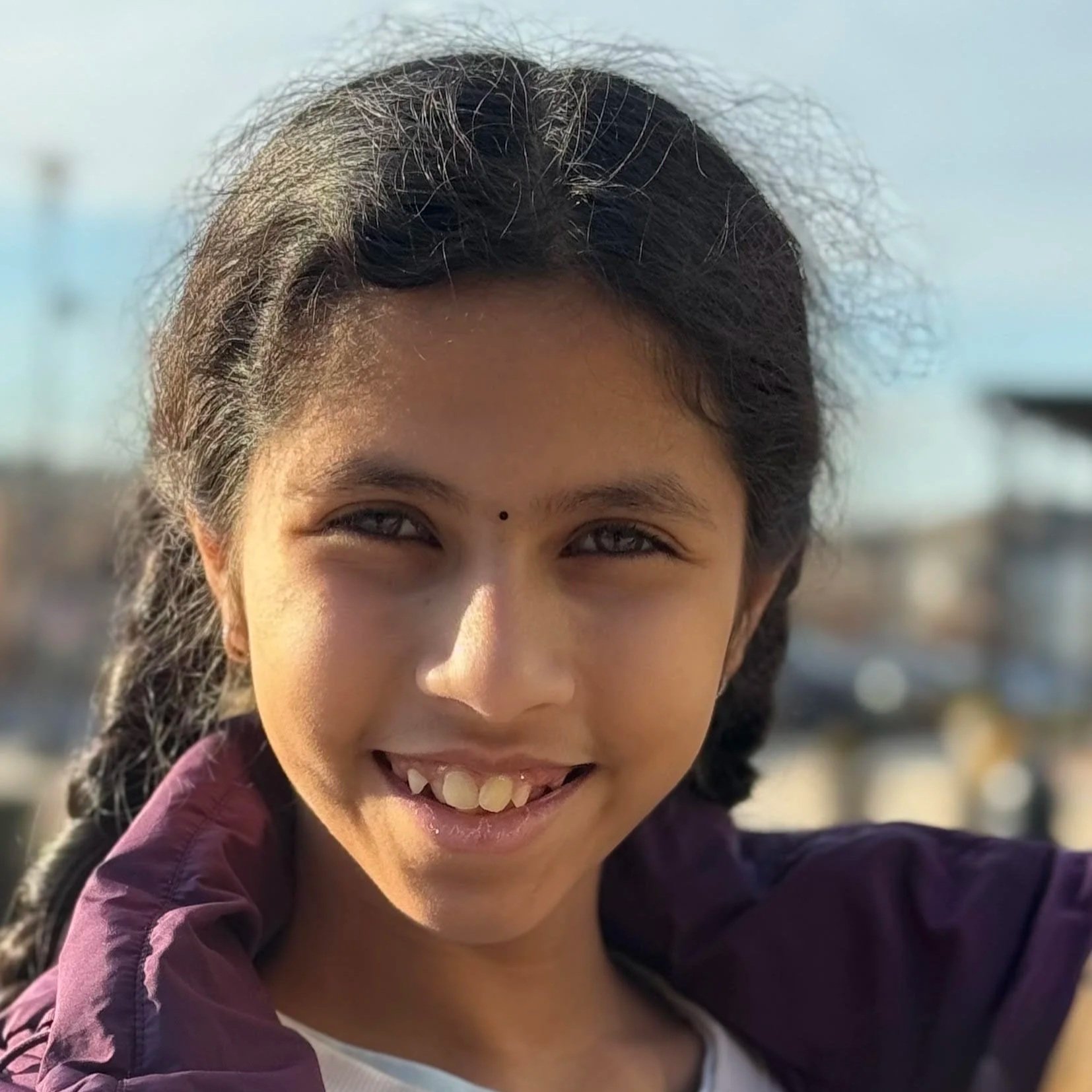
Naga Prerani Kasula, Project Shakti - Every Daughter Matters
Middle School Winner, Grade 7, Apex, NC
“Sometimes the things that affect us the most are those we could never control. Growing up, I learned that my father and his family deserted my mother and me as they didn’t want a girl child. This experience made me realize that son preference is not just an issue discussed in reports; it's a reality that judges a person’s value even before they are born.”
Prerani will be gifting her $1,000 award to Invisible Girl Project. Read her essay here.
Competition Runners-Up
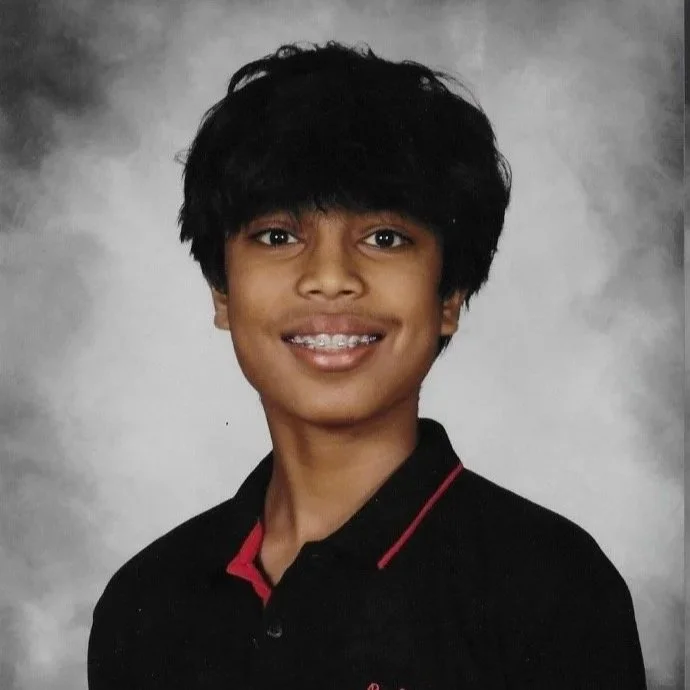
Vedanth Ananth,, Hunger Doesn't Just Empty a Stomach. It Empties a Classroom.
High School Runner-Up, Grade 10, Austin, TX
“I was 11 years old when I pushed away a plate of food because I wanted something tastier. I expected my parents to scold me, but instead they told me a story. They spoke about children in rural India who would’ve treasured the same meal I refused to eat. These children walked into classrooms with empty stomachs, distracted not by daydreams, but by hunger.”
Vedanth will be gifting his $500 award to Akshaya Patra USA. Read his essay here.
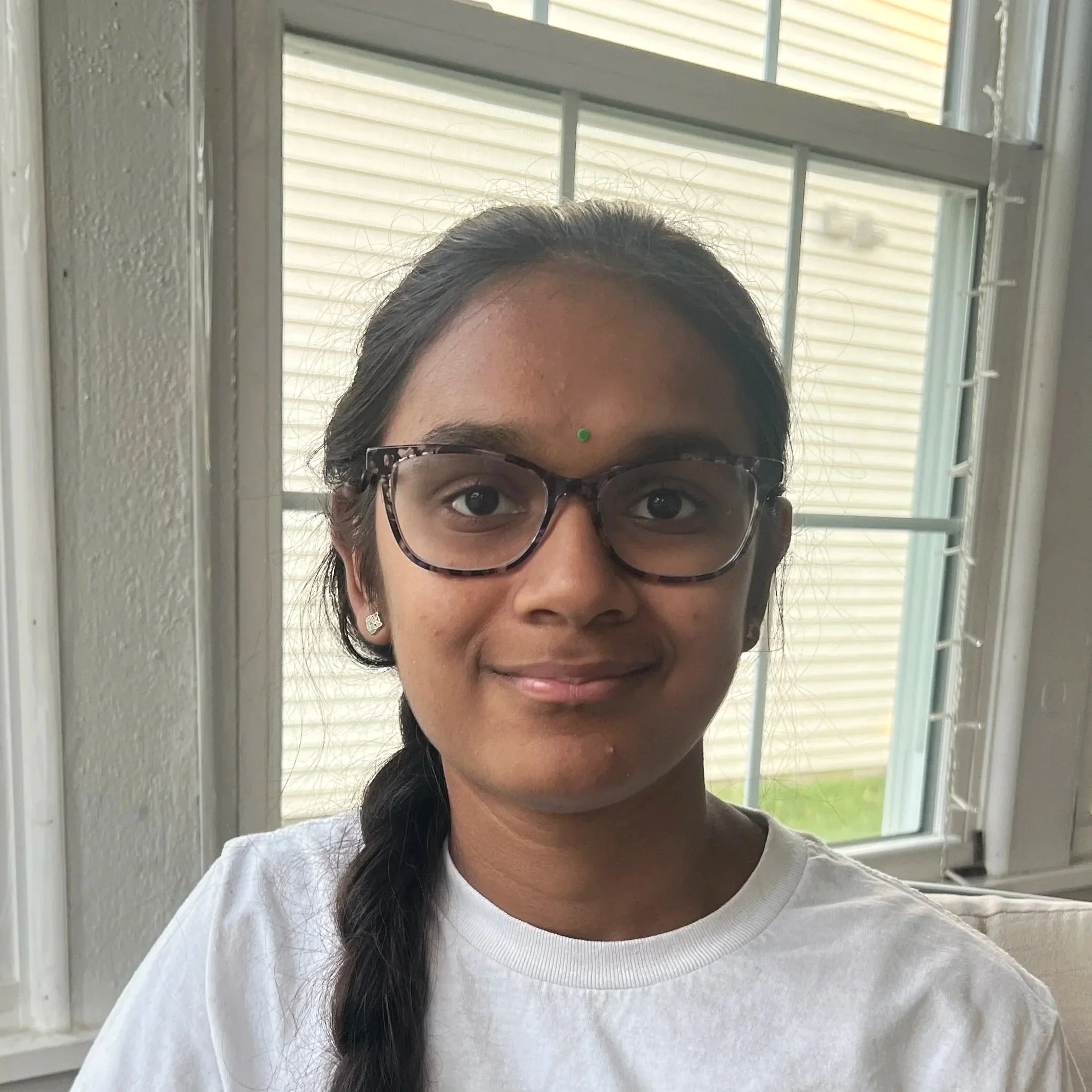
Adhitri Sethuraghavan, As Minds Collapse: India’s Student Mental Health Crisis
Middle School Runner-Up
Grade 8,
Carmel, IN
“My cousin is just one of millions of Indian students impacted by the pressures of hypercompetitive standardized exams, but her experience really brought this tragedy home to me. Every year, students slave for exams, suffering from stress, anxiety, and mental health issues. Basic resources are often unavailable, with over 60% of schools lacking mental health professionals entirely”
Adhitri will be gifting her $500 award to The Minds Foundation. Read her essay here.
Competition Finalists
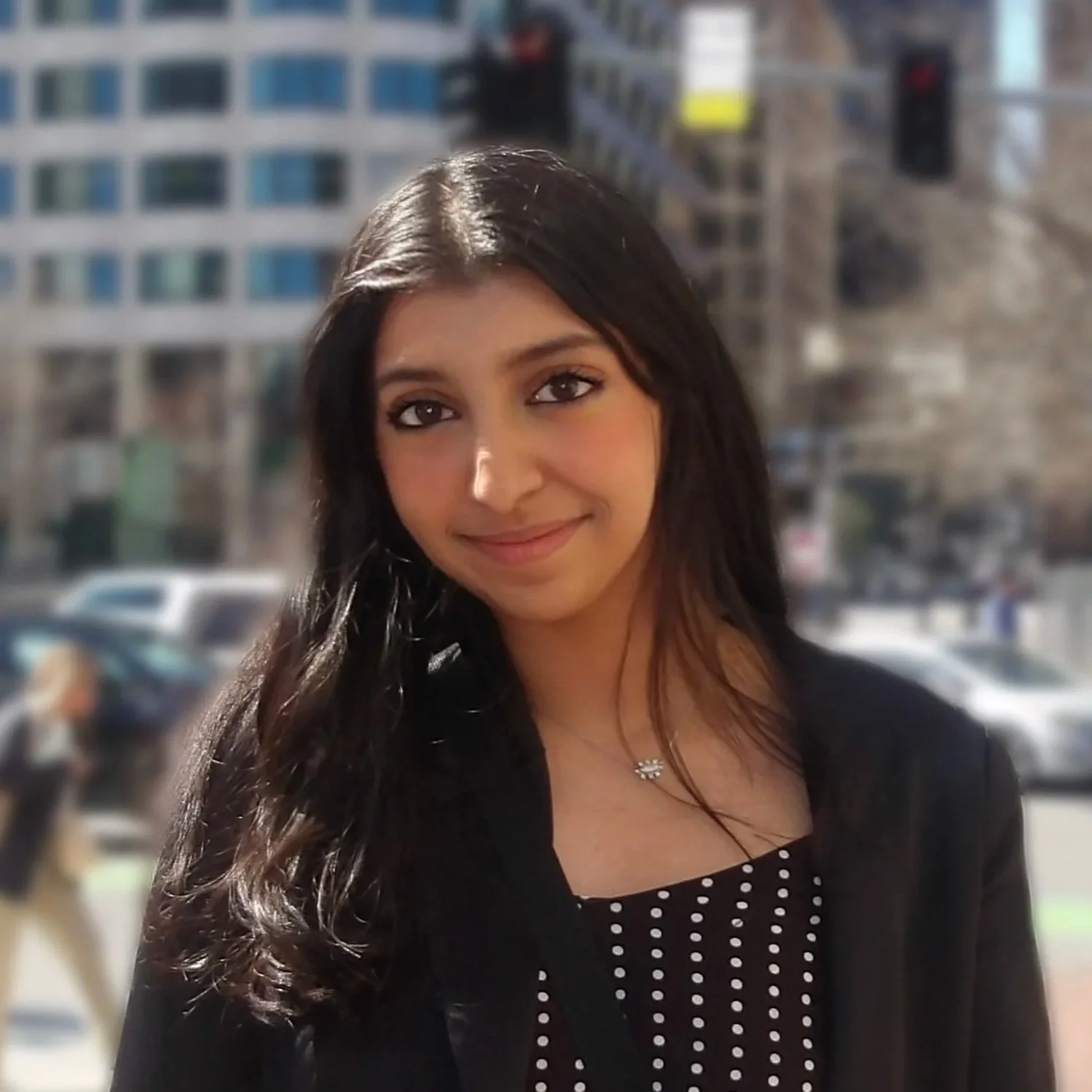
Saranya Ganti, The underpayment of India's handicraft and handloom artisans
High School Finalist, Grade 10, Ellicott City, MD
“The Kanjivaram silk sari my mom wears to every wedding took a weaver about a month to make the last time we visited India in 2023. Thread by thread, on a loom his family has used for generations. When my mom told me it retailed for around ₹30,000 (about $360), I assumed the weaver had been paid fairly for that month of skill and labor. He was not. Studies show weavers typically take home no more than ₹7,000, or about $84, for a sari that sells for that price. That is roughly only a quarter of its sale value."
Read Saranya’s essay here.
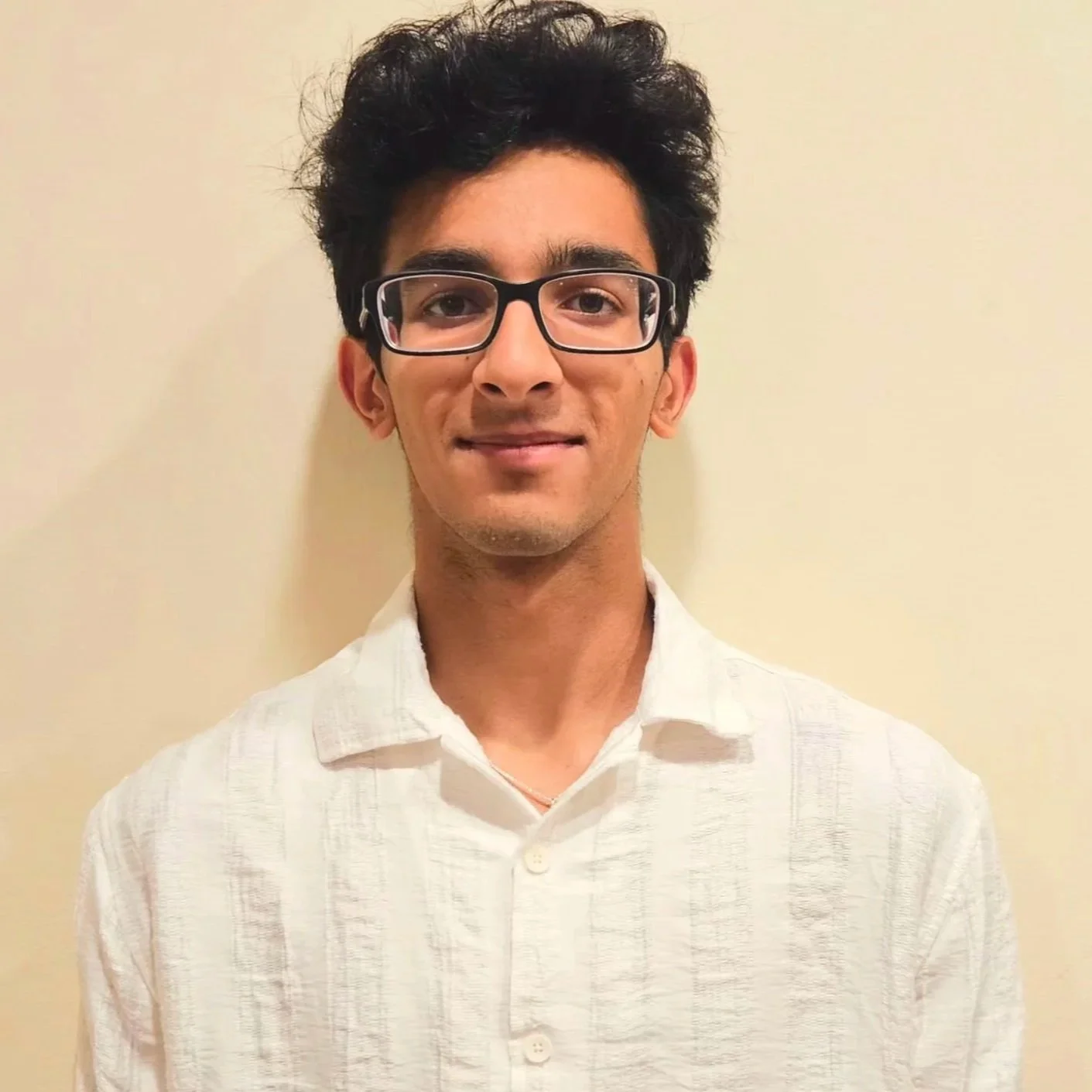
Aarush Chowdhery, Rebuilding the Valley of Kashmir
High School Finalist, Grade 9, New Hyde Park, NY
“After India’s independence in 1947, the British Empire created superimposed boundaries to divide up its territory. As a result, people were arbitrarily partitioned based on religion instead of ethnicity, neighborhoods were split up, mass migration commenced, and tension was born (Britannica, 2025). Years after these borders were demarcated, violent disputes regarding the possession of Kashmir emerged.”
Read Aarush’s essay here.
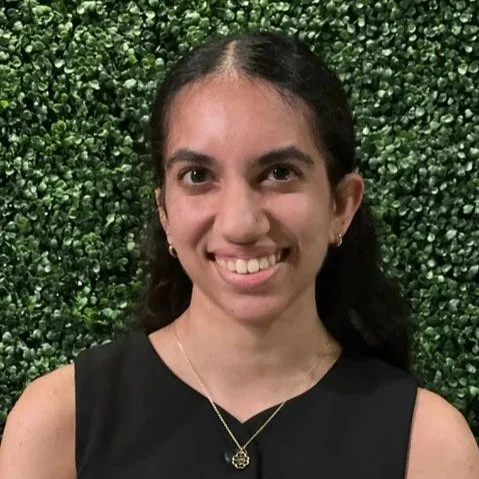
Meera Venugopal Menstrual Equity and the Fight for Education in India
High School Finalist, Grade 11, Fishers, IN
“India’s menstrual health crisis is one of the most persistent yet least visible barriers to the development of females. It is a pressing issue in India because it systematically restricts girls’ access to education, limits participation in daily life, and perpetuates gender inequality across generations.”
Read Meera’s essay here.
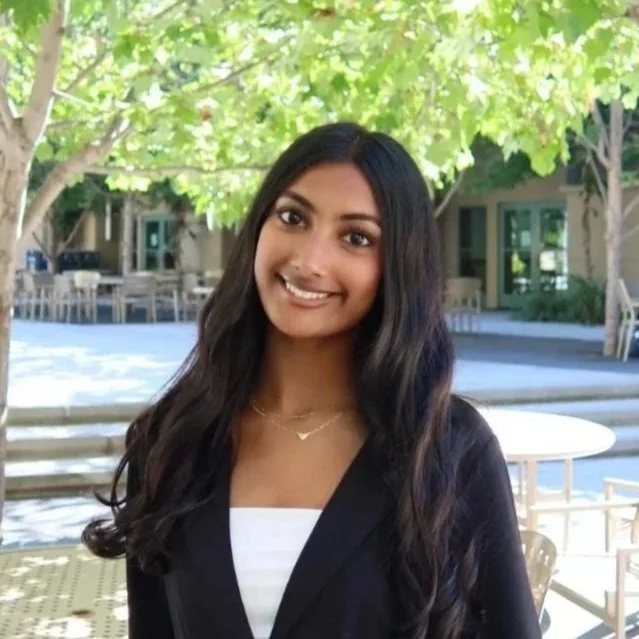
Neha Yellapu, The Right to Choose
High School Finalist, Grade 12, San Diego, CA
“Every few years, I visited India, and every trip left me with the same vivid memory of children knocking on our car window, asking for money. I knew this was an issue, but I never realized they were victims of a much bigger, overarching problem: child labor.”
Read Neha’s essay here.
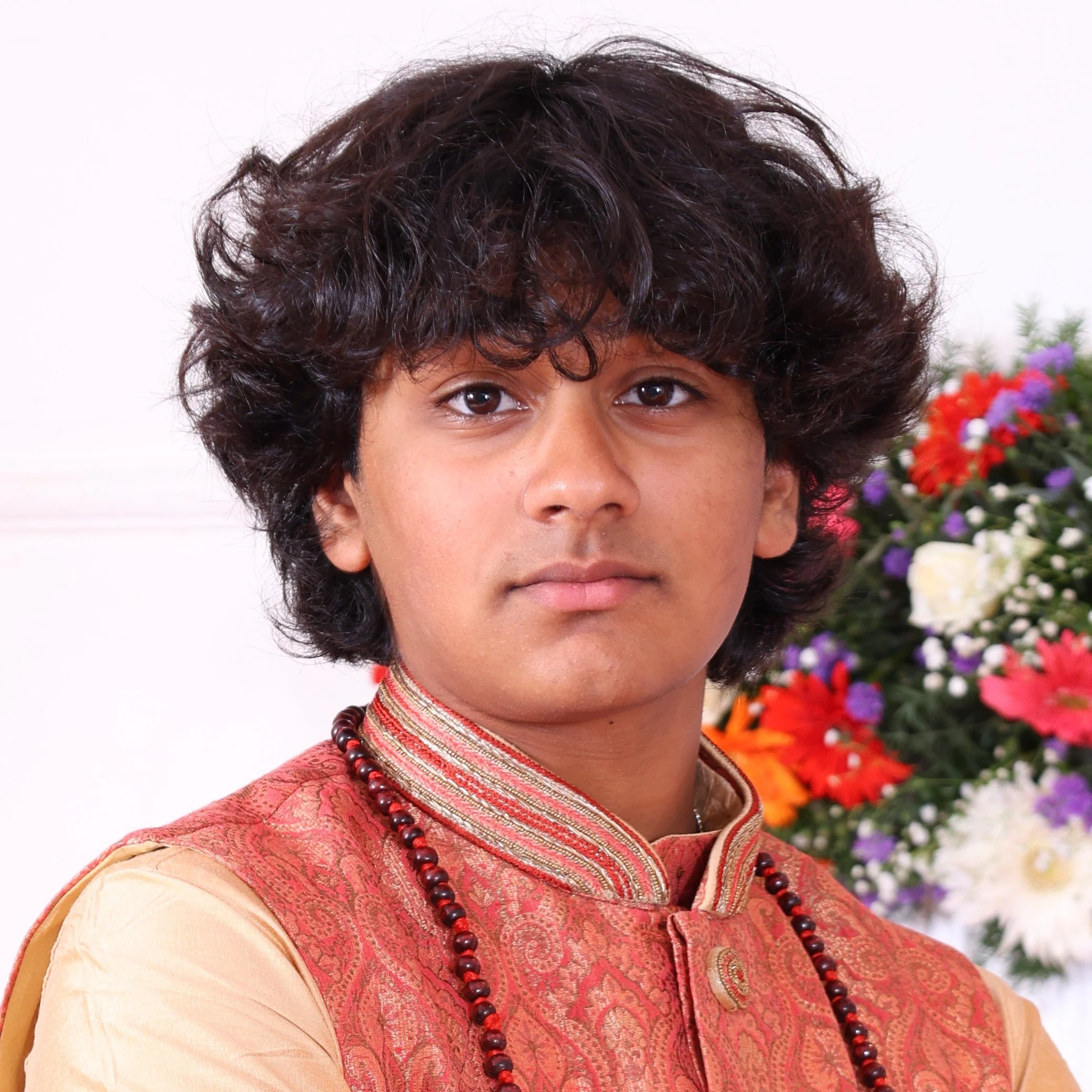
Krishna Pegadaraju, Water Insecurity
High School Finalist, Grade 10, San Diego, CA
“When I visited Vijayawada, I had a harsh reality check: a hot afternoon left me searching for water and reflecting on a privilege I had always taken for granted. But for 600 million people in India, water insecurity is not just a few months once or twice; it is a daily reality, where millions walk miles for a single bucket of water that might not even be safe to drink.”
Read Krishna’s essay here.
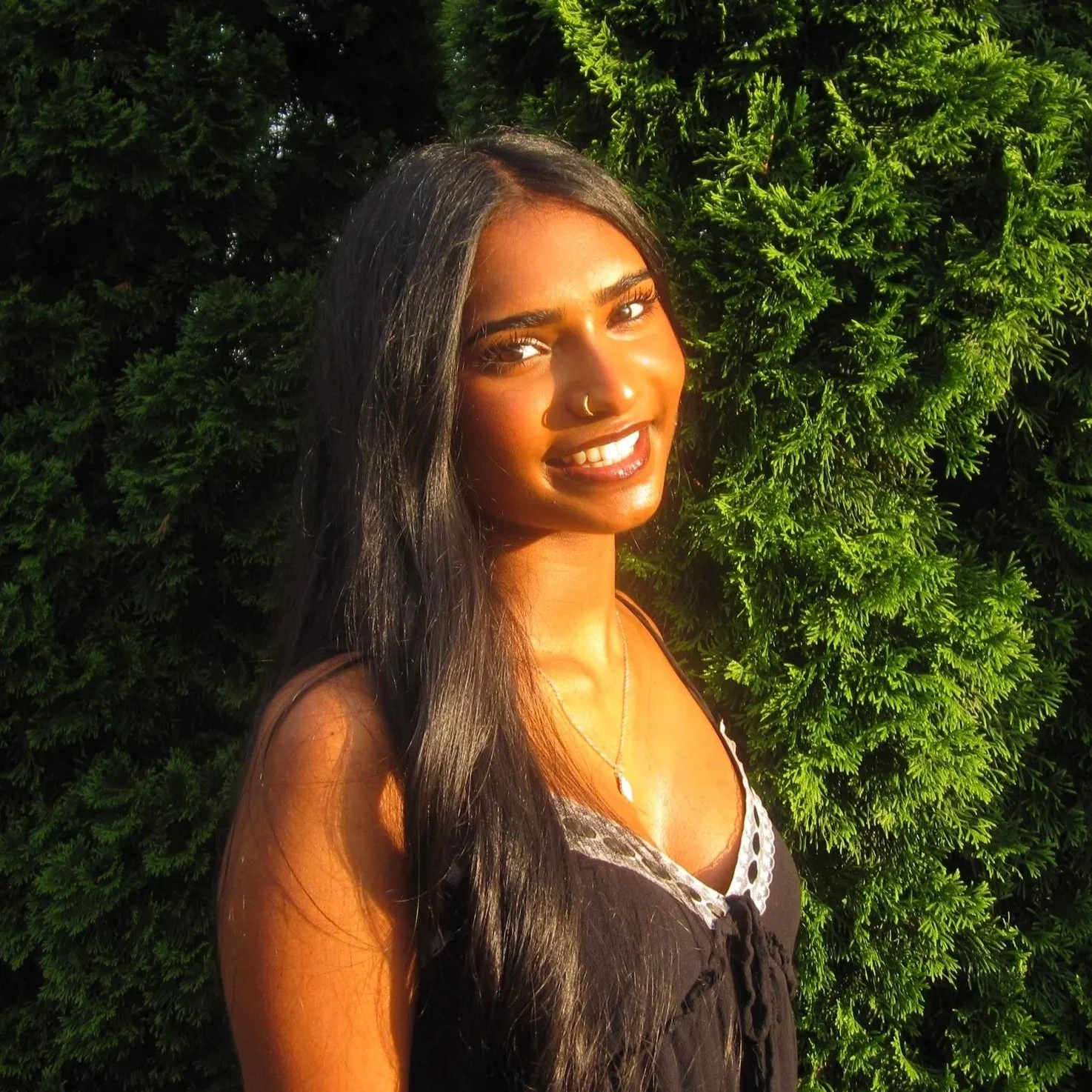
Sandhiya Muralidharan, A Childhood Without Choice
High School Finalist, Grade 9, Franklin, TN
“India is home to over 216 million child brides, with 1 in 4 young women beingmarried in childhood (UNICEF, 2022). This not only strips away their basic sovereignty, but ultimately alters the entirety of their lives. Fewer than 2 in 10 married girls continue their schooling after marriage. (UNICEF, 2023). With no education, their paths and decisions become extremely limited.”
Read Sandhiya’s essay here.
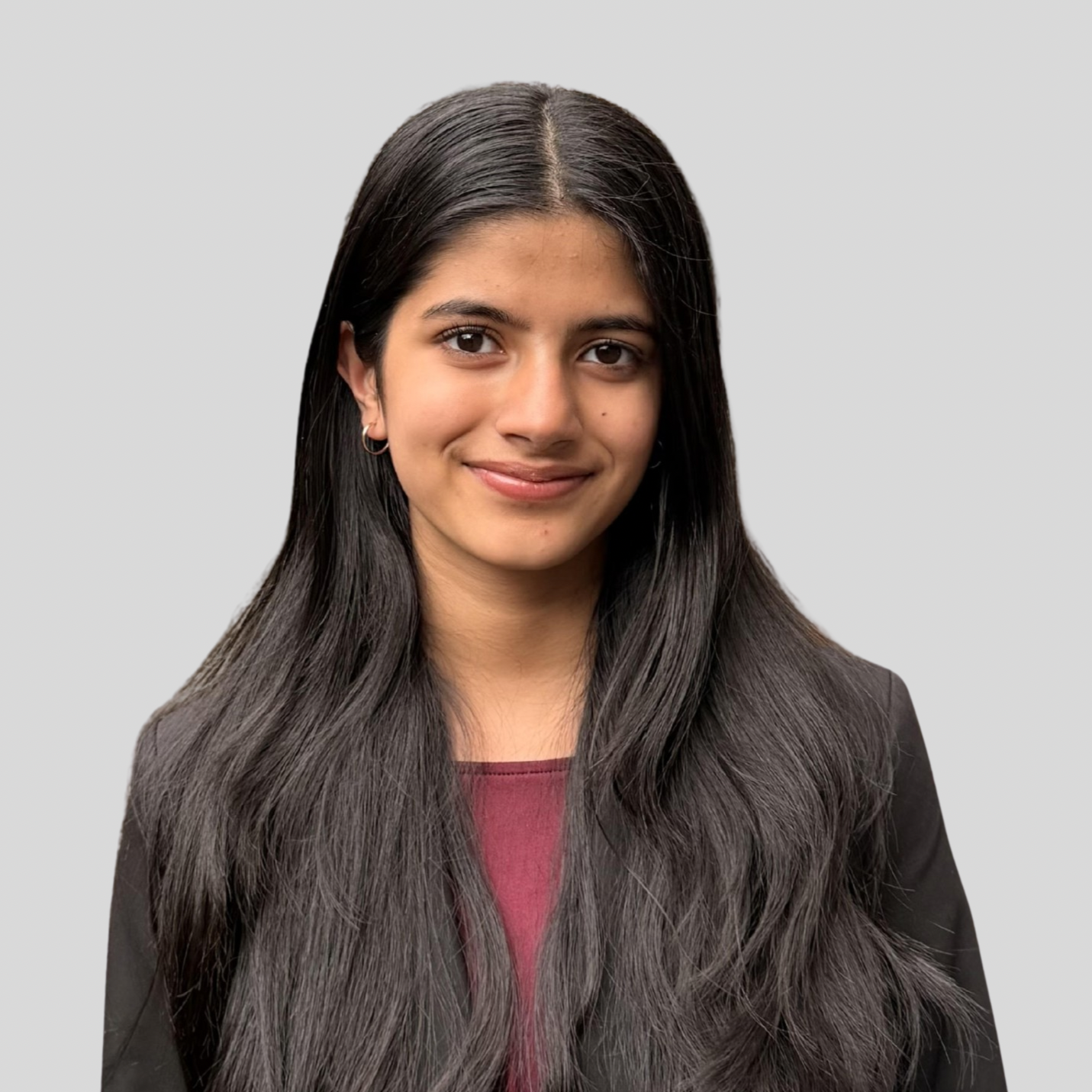
Esha Bhat, Ill-Fated Finances: The Economic Cost of Non-Communicable Diseases in Rural India
High School Finalist, Grade 9, Sammamish, WA
“Nineteen-year-old Poonam Gond says quietly, “I have never known zero pain”. She sits on the faded plastic chair, gripping the sides because standing is agonizing. Growing up in a rural agrarian family, Poonam’s sickle cell disease went unnoticed for years, her socioeconomic status blocking access to regular healthcare.”
Read Esha’s essay here.
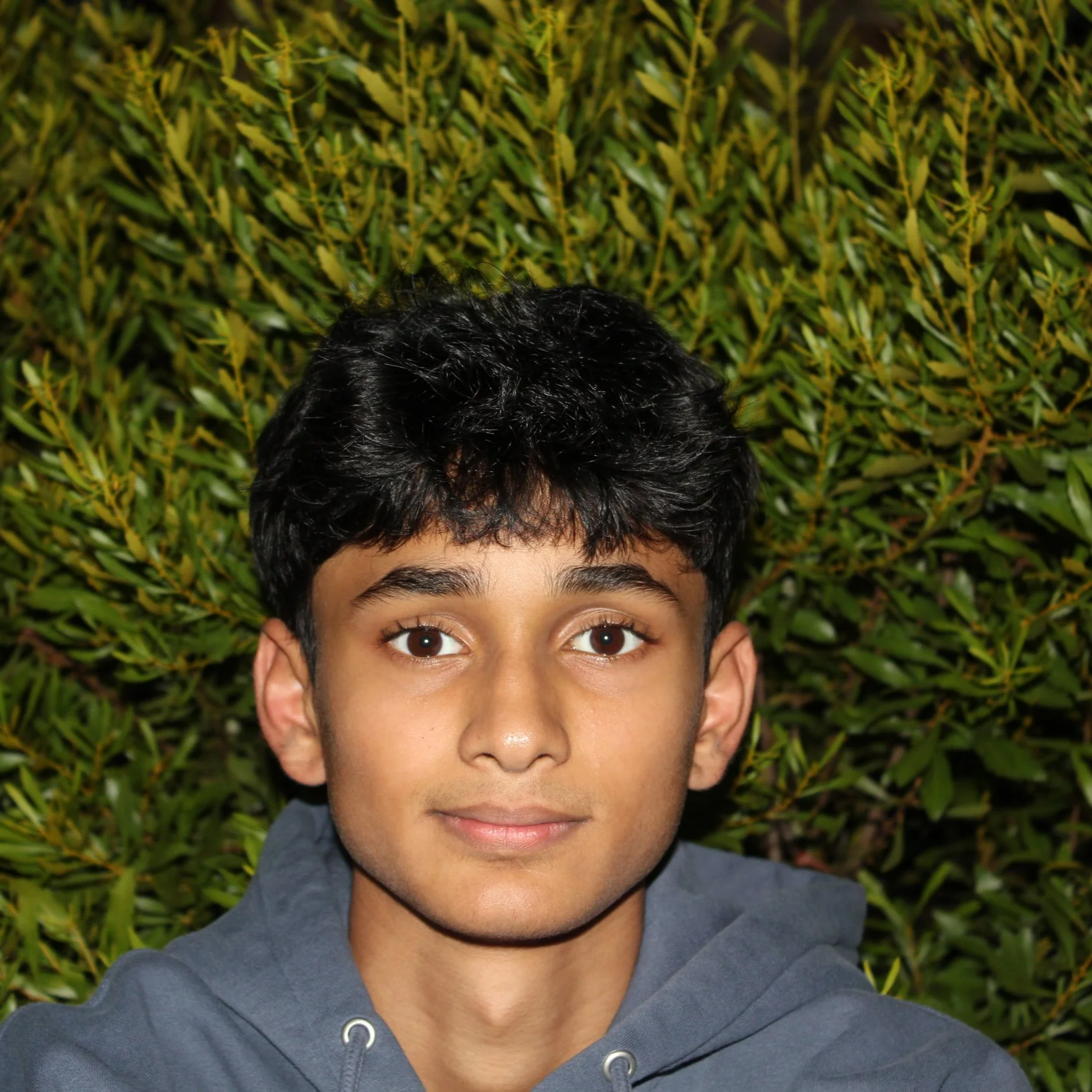
Akhil Puvvada, The Silent Emergency: Child Malnutrition in India
Middle School Finalist, Grade 7, Cedar Park, TX.
“Of all the development challenges facing India today, child malnutrition is the most pressing. India currently leads the entire world in child wasting rates, with 18.7% of children under five affected, over 21 million children with dangerously low weight for their height.”
Read Akhil’s essay here.
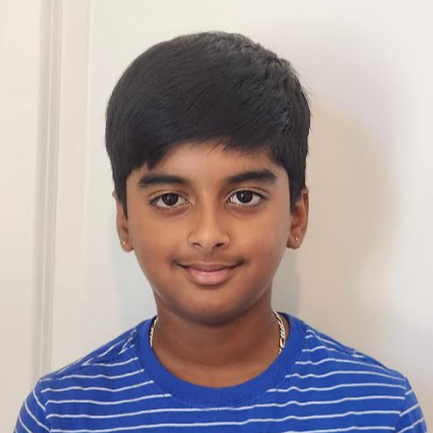
Shakthi Sampathkumar, Broken Waste Management Chain in Rural Communities
Middle School Finalist, Grade 6, Mountain House, CA
“Over time, toxic fumes spread and life struggles to thrive. Nearby plants wilt and are suffocated by trash. The water becomes toxic and nearly deadly for both natives and wildlife. One day, as the boy wanders near the river, he takes a handful of water and washes his face, unaware of the hidden danger. Who is responsible? Is it the tourists? Or the local people? The truth is, both share the responsibility.”
Read Shakthi’s essay here.
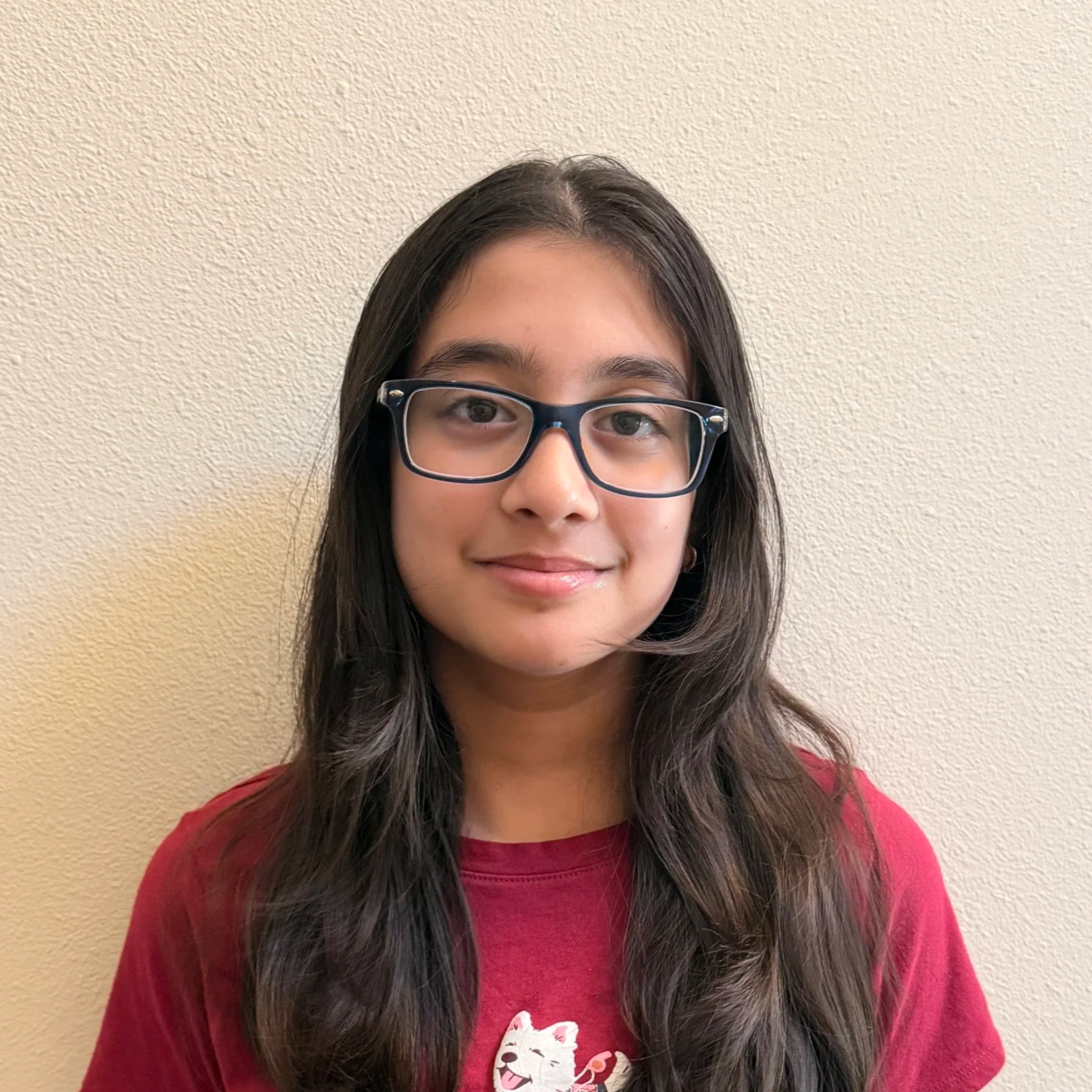
Maanya Pai, What truly lies in the waters: India’s silent crisis with fighting cholera
Middle School Finalist, Grade 7, Bothell, WA
“A key player in cholera outbreaks is water contamination. Even though India is a big country, around 70% of Indian surface water is undrinkable due to untreated sewage leaks and agricultural runoff(“Water Pollution in India”, 2026). As BharatNama says, over 72% of untreated sewage is released into bodies of water. But the worst part is that most Indian treatment plants don’t function completely.”
Read Maanya’s essay here.
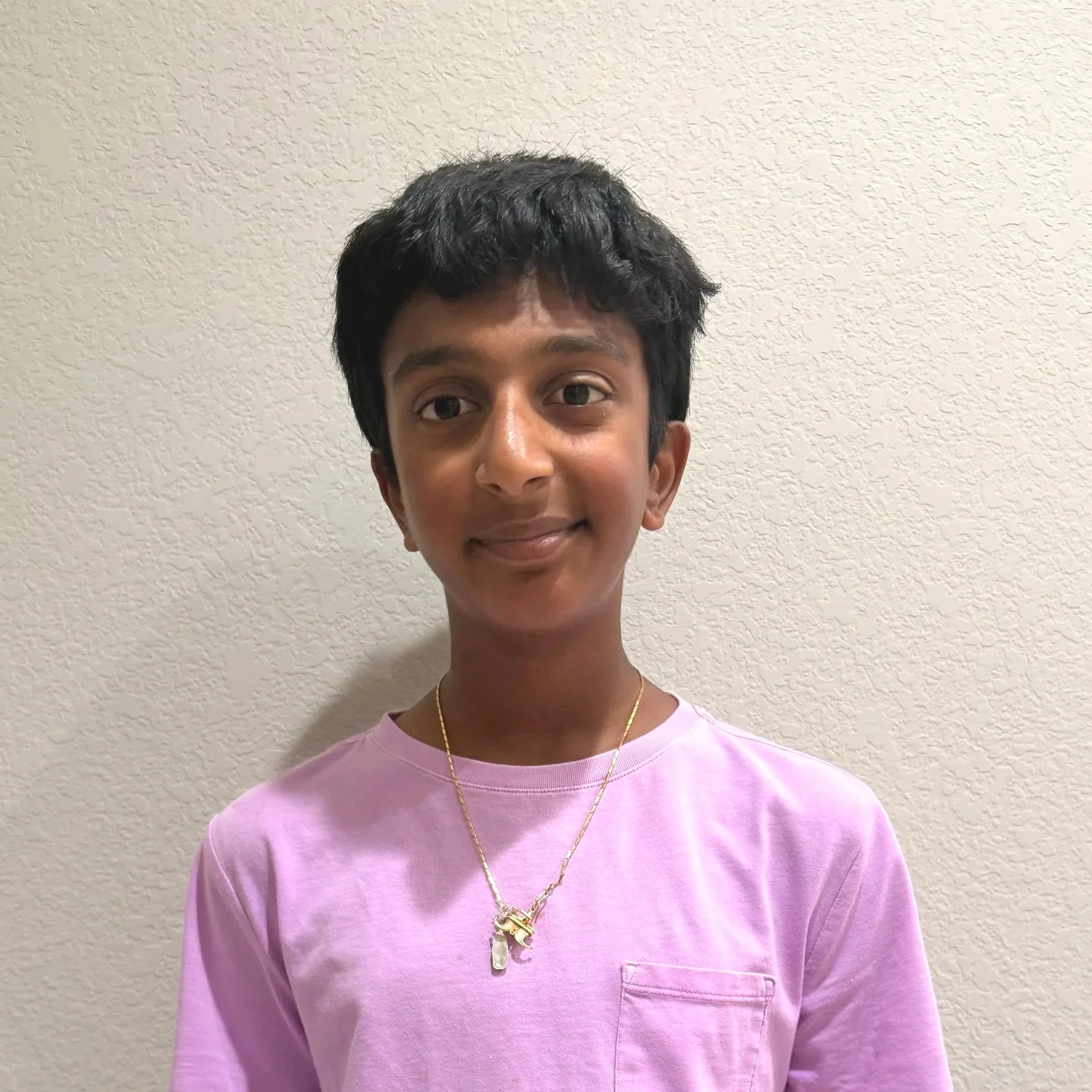
Sritan Kilari, Educational Inequality in India: A Barrier to Opportunity
Middle School Finalist, Grade 6, Thornton, CO
“For millions of children in India, access to quality education is not guaranteed. While some students learn in modern classrooms with computers, science labs, and well-trained teachers, others attend schools that lack basic resources and face teacher shortages. This educational inequality is one of the most pressing developmental issues in India because education is the foundation of economic opportunity, social mobility, and long-term national development.”
Read Sritan’s essay here.
More on the Youth Essay Competition
The competition was launched in February 2020 as a vehicle to encourage philanthropic thought and action among middle and high school youth in the U.S. with ties to, or interest in, India. The competition has brought dedicated and talented youth together with leading philanthropic organizations in what we hope will be a lifelong commitment to advancing development and poverty reduction programs in India.
The IPA is tremendously grateful to the competition’s sponsors: the Iowa-based Sehgal Foundation, which has been strengthening community-led development initiatives in rural India for the past 25 years; the Ujala Foundation, which supports education and health care in the U.S. and India; the Gupta Giving Fund; and Mamta Bhandari. We extend our thanks to Indiaspora for their partnership in providing the winners with a terrific platform to share their ideas.
Click here to view the essays of winners and finalists of the 2025 competition.
To read the top essays from the 2024 competition, click here.
To read the top essays from the 2023 competition, click here.
To read the top essays from the 2022 competition, click here.
To read the top essays from the 2021 competition, click here.
To read the top essays from the 2020 competition, click here.
Watch for the announcement of our 8th Annual Essay Competition in the spring of 2027.
Sign up for our bimonthly newsletter to stay abreast of this and other news updates, here.